Explore your next steps
Your guide to singing lessons in Cardiff
Practical ideas for choosing songs, developing your voice and planning lessons in English or Welsh.
01
Your voice & repertoire
A singing teacher for your own voice
As a beginner, you do not need to sound like a recording artist to start singing lessons. Bring a song you enjoy and tell me what you would like to find easier. We can listen to a short phrase, identify a useful starting point and develop it together. Your first goal might be a more secure melody, clearer words or the confidence to sing in front of someone else.
Connect vocal technique with the music you enjoy
My background is in opera and classical performance, but lessons can explore folksong, musical theatre, pop and singer-songwriter music too. Good basic technique becomes more useful when you can hear how an exercise relates to a song. We might work on the beginning of a phrase, a breathing point or a change of vowel, then return to the music and notice the difference.
I am a singing teacher based in Cardiff, working as a professional mezzo-soprano alongside my teaching. My experience includes work as a visiting vocal tutor at the United World College of the Atlantic, school projects and opera workshops. I hold an enhanced DBS certificate. Read my background and qualifications for more about that experience and how it informs my work with pupils.
Singing in English or Welsh
I offer tuition in English and Welsh. Tell me which language you prefer for lessons and which repertoire you want to explore. The rhythm and meaning of the words matter alongside the notes: speaking a line naturally can help you find its emphasis before singing it. For an Eisteddfod or audition, bring the published requirements so we can work towards the right version of the piece.
Choosing a vocal coach after a break
Tell me about previous lessons, choirs, theatre or informal singing, including anything you found frustrating. We can use that experience without assuming you need to start again or continue at a particular grade. Choose a manageable passage first and build a picture of your individual needs and what you want to develop. Explore how lessons work.
A conversation with a vocal coach can help you identify what you want from tuition. Some students bring experience from many years of informal singing; others are beginning a new interest. Your starting ability is information for the teacher, not a test to pass. Tell me which styles you enjoy and what would make the sessions useful. Learning can be enjoyable without a performance deadline, and a short familiar passage can give us a clear focus.
02
Practice & progress
Give each practice a purpose
A short, focused session can be easier to repeat than an ambitious plan that does not fit your week. Keep a note of the exercise and song section from your lesson. Begin at a pace where you can listen carefully, revisit the detail we discussed and stop to notice what changed. Bring questions to the next lesson rather than repeating something that feels unclear.
Connect music theory with words and phrasing
Progress is not only about reaching higher notes. You can listen for steady timing, clear consonants, a comfortable end to a phrase or a convincing change of mood. Music theory can help explain a rhythmic pattern or melodic interval. Try speaking a lyric in rhythm before adding the melody. Compare two performances of a song and describe one difference without deciding that you must imitate either singer.
Develop performance skills in small steps
Performance skills bring together memory, musical decisions and communicating with listeners. Practising how you begin and finish can help you feel better prepared for the stage. You can rehearse an entrance, speak an introduction or sing a short section to someone you trust before attempting a complete programme. If you have an audition or competition date, share it early so we can plan practical preparation rather than rush the entire piece at the last minute.
Students preparing for auditions can bring the actual requirements, including the permitted length and accompaniment. Think about what the singer is communicating before choosing technical details to work on. The drama of a piece may come from a quiet pause as much as a large sound. Rehearse your opening, a cue and the ending as separate techniques before putting them together. These small decisions are part of the craft of performing, whether or not you are planning a singing career.
Keep your practice space useful
Choose somewhere you can hear your voice without competing with loud accompaniment. Have your music, water and practice notes ready. A simple private recording can help you compare attempts, if you find that useful. Avoid forcing a sound that feels uncomfortable and discuss difficulties in your lesson. You do not need to buy a microphone to begin.
03
Choosing your lessons
Choose a lesson length
Singing lessons with Angharad cost £25 for 30 minutes or £44.50 for an hour. Lessons are pay as you go, weekly, fortnightly or at another agreed frequency. A half-hour can provide a focused introduction, particularly for a younger learner. An hour gives more room for exercises, repertoire and performance work. We can discuss the right starting point and review the length as your needs change. See lesson prices.
Plan a realistic budget
Four half-hour lessons cost £100; four hour-long lessons cost £178. Weekly lessons offer a regular chance to review practice, while a fortnightly pattern may suit other commitments. These examples count four sessions rather than assuming every month has four weeks. Agree the frequency and payment arrangements before booking, and keep the 48-hour cancellation notice in mind when planning around school, work or travel.
Grades are an option, not a requirement
I prepare students for ABRSM singing grades, with repertoire, sight-reading and aural work considered together. Exams can give you a goal, but they are not compulsory: singing for enjoyment is equally welcome. Tell me whether you are working towards a particular syllabus, an Eisteddfod, an audition or simply a song you would like to sing with more confidence.
Sarah Dunbar and your choice of teacher
I teach from my music studio in Whitchurch, Cardiff. The full address is provided when you book your first lesson. Please confirm arrival instructions and any access requirements before travelling. Sarah Dunbar also offers lessons through her separate teaching practice, with different rates, locations and a minimum age of four. Read Sarah’s teaching information before deciding which enquiry route suits you.
Sarah Dunbar holds a Masters in Vocal Performance from the Royal Conservatoire of Scotland. Her teaching arrangements include Windsor Place in Cardiff and Barry, with her own fees and direct email. Students should read Sarah’s profile for those details. My teaching is in Whitchurch for ages seven upwards; an enquiry through this homepage reaches Angharad. Keeping the two arrangements separate helps you contact the right person.
04
Music around Cardiff
Learn from live performances
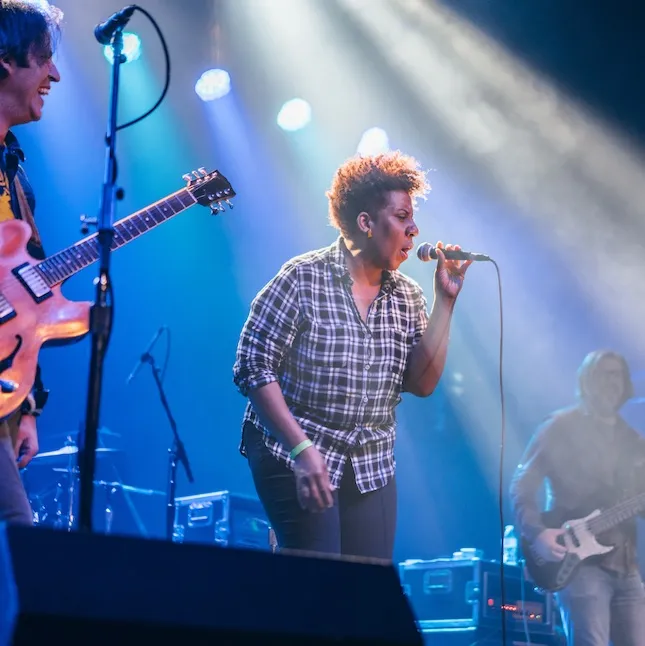
Cardiff offers opportunities to hear different vocal styles, from a small live set to theatre and larger concerts. Choose something that interests you and listen for one detail: how a singer begins a song, shapes a quiet phrase or communicates with the audience. Our venues guide links to current programmes and practical visitor information.
Compare performances across genres as a listening exercise. In a folk arrangement, notice how a guitar supports the words; in jazz, listen for how the singer places a phrase against the pulse. These examples can broaden your listening without changing your lesson goals. A singer can learn from different styles while retaining their own sound. Choose one detail to bring back to a lesson, rather than trying to copy everything you hear on stage.
Buy and book with a clear purpose
Equipment and studio time should solve a real musical need. For home practice, you may need little more than a way to hear your accompaniment and keep notes. Before buying a microphone or booking a recording session, decide whether you are practising, making an audition recording or preparing a release. The music shops guide and studio guide suggest useful questions.
Take the next step
Send a short message with your experience, interests, preferred language and usual availability. If you are enquiring for a child, include their age. You do not need to know your voice type or have a finished performance ready. We can discuss a suitable lesson length and a practical first step. Ask Angharad about lessons.