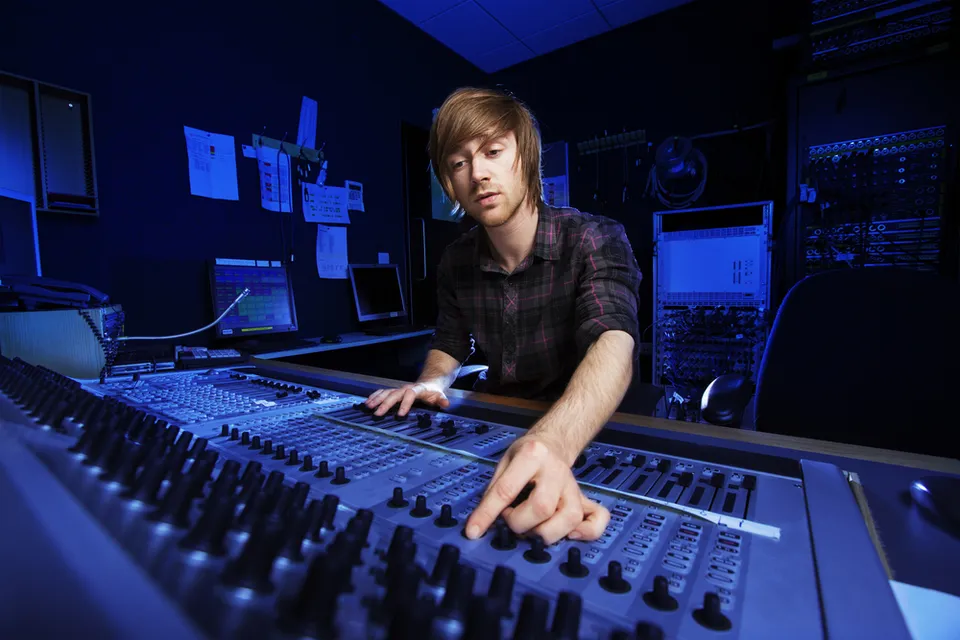
Start with the musical task
A singing lesson does not require a home studio or an expensive microphone. Before shopping, decide what you want to do: hear a backing track, practise with a keyboard, accompany yourself or record a demo. These tasks need different equipment. Discuss your plans with your teacher, make a short list of essentials and set a total budget that includes cables, stands and any software you actually need.
Gamlins: arrange a visit first
Gamlins’ own website says its former store is closed and that it now operates from 1 Trade Street Lane, Cardiff, CF10 5DR, by appointment. Do not rely on older directories sending you to St Mary Street. Contact the business before travelling, explain what you need and ask whether the relevant instrument or equipment is available to see.
GM Music
GM Music lists instruments including guitars, keyboards and digital pianos. For a singer considering accompaniment, the important question is whether the instrument suits your space and intended practice. Ask about the feel of the keys or strings, the sound at a useful home volume and any accessories needed. Use the shop’s contact page to confirm visiting details and stock.
MotoMusic for guitar accompaniment
MotoMusic specialises in vintage and higher-end guitars, amplifiers and effects and also offers workshop services. Its contact page gives 8 Trade Street Lane, Cardiff, CF10 5DR, with visits by appointment. This is a useful specialist route if a guitar purchase or repair is your actual goal; expensive or vintage equipment is not a prerequisite for singing lessons.
Choosing a microphone or recording setup
Tell the shop whether you want to rehearse with other musicians, perform live or record at home. Ask how a microphone connects to your existing equipment and whether you need an interface, power supply, stand or cable. A product that works through a PA may not connect directly to your phone. Write down the complete setup and cost before deciding, rather than comparing microphone prices alone.
Try before you commit
If possible, test equipment at a realistic volume and in a way that reflects how you will use it. Check compatibility, warranty, return conditions and the condition of second-hand items. For a keyboard, consider the space available and whether headphones are useful. For a guitar, ask about setup and comfort. Buying something manageable and regularly usable matters more than collecting features you do not need.
Keep the purchase connected to your lessons
Bring questions about equipment to your next lesson. A teacher can help you identify the practice task even when a retailer is better placed to advise on a particular product. For a one-off recording, hiring a suitable room and engineer may be more practical than buying everything yourself: see the Cardiff studio guide. Always confirm current visiting and booking arrangements directly.
Prepare for an appointment
The published Gamlins notice and MotoMusic contact page describe appointment arrangements, so a little preparation makes a visit more useful. Send a clear description of the task and ask which items can actually be demonstrated. If you want guitar accompaniment, mention whether you already play and the sort of songs you hope to sing. If you need help with existing equipment, provide its model and the problem rather than arriving with an unexplained collection of cables. Confirm whether the visit is for shopping, assessment or repair, and whether any assessment charge applies. Appointment availability is separate from the availability of the product itself.
Choose a keyboard for practising songs
A singer may want a keyboard for finding starting notes, working through harmonies or learning full accompaniments. Those goals lead to different questions. At GM Music, ask to compare instruments using the task you expect to practise, and check the headphone connection and the space needed for a stand. If you plan to study piano properly, ask a piano teacher about suitable keys and pedals before buying a small portable model. Do not assume that a feature-rich keyboard will teach you accompaniment by itself. Choose something you can set up comfortably and use regularly, with a clear next step in your practice.
Reviewed 1 November 2026. Check current details directly with providers.