Utilita Arena Cardiff
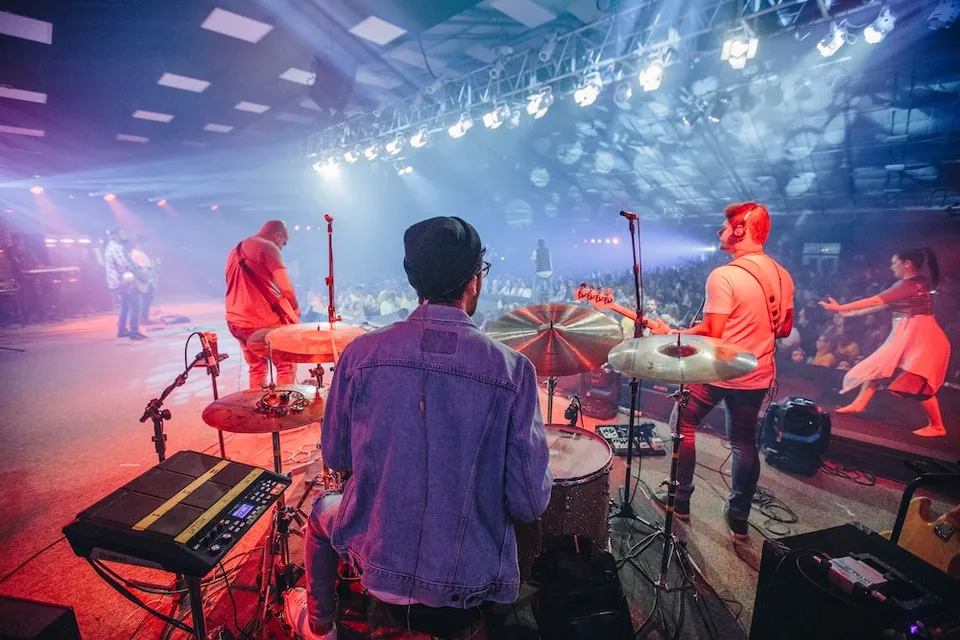
The venue described in older versions of this guide as Motorpoint Arena now uses the name Utilita Arena Cardiff. Use its current programme and visitor information rather than old concert dates. At a larger show, listen to how the singer communicates across the room: introductions, repeated phrases and changes of dynamics can shape an audience’s experience as much as a powerful chorus.
Wales Millennium Centre
The Wales Millennium Centre programme is a useful starting point for theatre, music and staged vocal performances. Choose a production that interests you and check the individual listing for language, age guidance and access information. Listen to how a performer makes the words understandable and how a musical phrase supports the story; you can bring one observation to your next singing lesson.
The Live Lounge
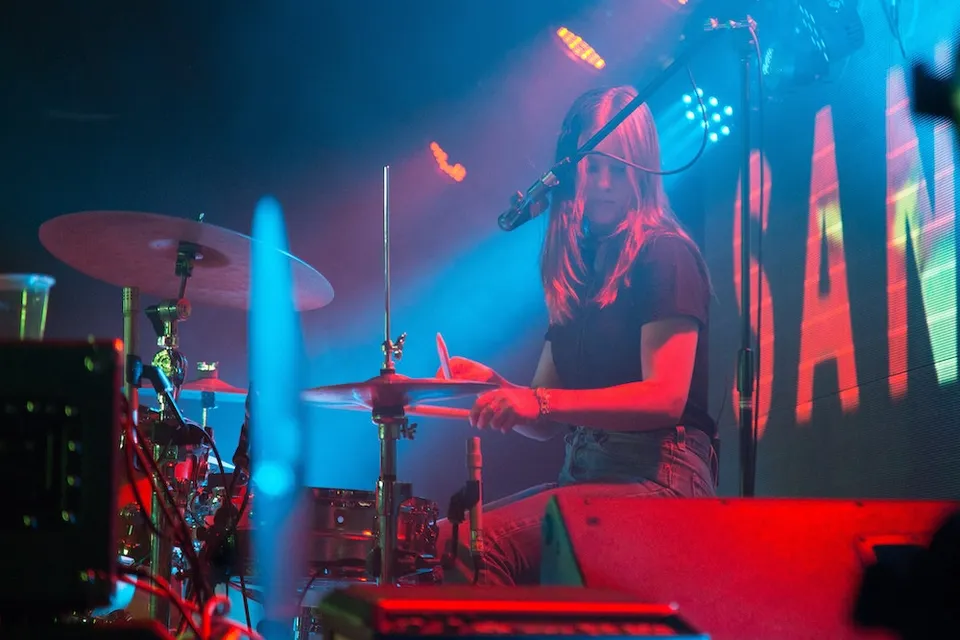
The Live Lounge gives its location as Unit 9 Queenswest, The Friary, Cardiff, CF10 3FA. Check its current programme and entry arrangements before visiting. A smaller live set can make it easier to notice how a performer introduces a song, works with an accompanist and responds to the audience. Do not assume an advertised performance night is also an open-mic opportunity.
Cardiff Students’ Union
Cardiff Students’ Union hosts live music across spaces including the Great Hall, Y Plas and The Cwtch. The event listing is the place to check tickets, age restrictions and entry arrangements; being held at a students’ union does not itself explain who can attend. Compare the roles of lead and backing vocals, and notice where the arrangement gives the voice more space.
Tramshed
Tramshed’s venue information helps you plan a visit to another of Cardiff’s live music spaces. Read the current event details and contact the venue about any access requirements before booking. If you are listening as a learner, choose one small focus such as an entrance, the balance between speech and singing, or the way a singer changes the mood between songs.
Make the experience useful
Enjoy the concert first; you do not need to analyse every note. Afterwards, write down one thing you noticed and one question. You might compare two versions of the same song or think about how the performer prepared the audience for a quiet section. A professional show uses rehearsal, sound reinforcement and production, so treat it as inspiration rather than a standard you must immediately reproduce.
Thinking about performing yourself?
Check an organiser’s current application process, equipment provision, age rules and performance length before assuming you can take part. Prepare a short set that suits your present voice and agree accompaniment arrangements. Angharad can help you work on performance preparation in lessons; this guide does not promise a booking, support slot or introduction at any venue. Ask about your singing goals.
Match the visit to your musical interests
For a staged vocal performance, start with the Wales Millennium Centre’s individual production information. For a band, compare current listings at Tramshed and the Students’ Union rather than assuming a particular genre is always available. The Live Lounge offers a different context for observing a live set in a smaller setting. At an arena concert, notice how a singer maintains contact with listeners who are far from the stage. Choosing deliberately can make a first visit less daunting: you know what interests you, which room you are attending and what practical arrangements to check before paying.
Listen to the musicians around the singer
Vocal performance is also ensemble work. During one song, follow the accompaniment rather than the melody: does the band become quieter under a detailed lyric, stop before a chorus or leave space after a phrase? Then listen to how the singer responds. These choices can explain why a performance feels clear without requiring the voice to be constantly louder. If you rehearse with an accompanist, agree a simple start and finish and try reducing the accompaniment beneath an important line. Bring your observation to a lesson as a musical question, rather than treating a touring production’s sound as something you must reproduce alone.
Reviewed 1 November 2026. Check current details directly with providers.